
Diablo 4 (IV)
Showing the single result

Diablo 4 – the ultimate RPG experience
With the release of Diablo 4 (IV), players can finally dive into the game they’ve been waiting for. The latest expansion, Diablo 4: Vessel of Hatred, launched on October 8, 2024, bringing fresh content and thrilling new challenges to the dark and immersive world of Sanctuary. Developed by Blizzard Entertainment, Diablo 4 continues to push boundaries in the action RPG genre. The addition of the Vessel of Hatred expansion introduces captivating storylines, challenging endgame mechanics, and ensures an even richer experience for players.
But what exactly makes the sixth part different from all the others and what makes it so special? We will answer these and other questions for you.
New adventures and challenges of Diablo 4
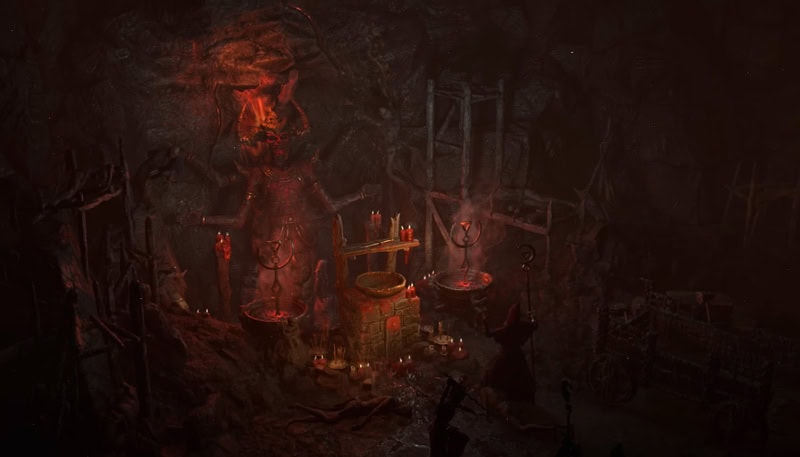
Compared to earlier seasons, Diablo 4: Season of Slaughter shifts the focus toward a darker and more dangerous side of Sanctuary. This season brings players face to face with the Lesser Evils, powerful demonic forces that step out of the shadows to challenge even experienced heroes. As a result, both combat pacing and endgame difficulty feel more intense than before.
At the same time, the season introduces new seasonal activities and enemy encounters that reward smart builds and efficient progression. These events push players to constantly adapt, test their damage output, and optimize survivability. Naturally, having enough Gold and a well-prepared character makes a noticeable difference during these encounters.
Starting with Season of Slaughter, progression revolves around seasonal powers tied to demonic influence. By engaging with seasonal mechanics and completing dedicated objectives, you unlock new ways to enhance your character and strengthen existing builds. These upgrades are designed to scale with difficulty, meaning the deeper you go, the more demanding the content becomes.
However, this journey is far from effortless. Seasonal challenges, high-risk encounters, and time-limited rewards require both preparation and consistency. That’s exactly why many players choose to support their progress with Diablo 4 Gold and Boost services from CoinLooting. Whether you want to speed up leveling, prepare for endgame content, or stay competitive throughout the season, CoinLooting helps you focus on the action — not the grind.
New Level Cap, Paragon System, and Glyphs
In Season of Slaughter, the modern Diablo 4 progression system remains fully intact and continues to shape how characters grow in the endgame. The level cap stays at 60, replacing the old level 100 model. From levels 1 to 60, you earn skill points with every level-up, allowing you to define your core build early on. Once you hit level 60, progression naturally shifts toward Paragon.
After reaching the cap, players begin earning Paragon points, which now play a central role in long-term character power. The updated Paragon system offers up to 300 Paragon points, giving you more room to fine-tune damage, survivability, and utility for seasonal and endgame content. Even more importantly, Paragon progression is realm-wide, meaning unlocked Paragon points are shared across all characters in the same realm. As a result, creating and gearing additional seasonal characters becomes much faster and more flexible.

Glyphs remain one of the most important elements of endgame customization. They can be upgraded to level 100 and further enhanced depending on difficulty and progression depth. In the current season, Glyph progression is still closely tied to high-end activities, where tougher challenges offer better upgrade opportunities. Because of this scaling difficulty, efficient leveling and proper preparation become essential when pushing Glyphs to their maximum potential.
Difficulty Levels in Diablo 4
Starting with the Vessel of Hatred expansion, Diablo 4 developers have replaced The World Tiers System with a new Difficulties System, allowing players to manage challenges and rewards in a new way. The first four levels are Standard Difficulties: “Normal,” “Hard,” “Expert,” and “Penitent”. They are aimed at character development up to level 60. The higher the difficulty, the more gold and experience you can earn. After these Standard Tiers, gamers unlock new Difficulty Tiers—Torment—where greater dangers await. This is where the high-level gameplay begins. Game progress is directly tied to your achievements in the Pit. By conquering higher Pit Tiers, players will unlock even tougher Torment Difficulties.
Torment Tierss unlock under the following conditions:
- “Upon reaching level 60, the Pit and its levels from 1 to 20 become accessible. Completing level 20 unlocks “Torment I.”
- Completing Pit level 35 unlocks “Torment II.”
- Completing Pit level 50 unlocks “Torment III.”
- Completing Pit level 65 unlocks “Torment IV.”
These Difficulty Tiers and their various stages allow players to fine-tune the balance between risk and reward in Diablo 4 (IV).
Spiritborn – A New Class in Diablo 4
In the new Diablo 4 season, the developers have introduced a new class with unique abilities—Spiritborn. Hailing from the new region of Nahantu, this class combines swift attacks with magic. It wields long melee weapons like Gaives, Quarterstaves, and other Polearms. Alongside its agile close-quarters combat, it has the power to summon four spirit guardians:
- Centipede: Poisons enemies, draining their health over time.
- Eagle: Controls the power of lightning and strikes foes with rapid attacks.
- Gorilla: The tankiest of the spirits, boasting immense physical strength.
- Jaguar: Aggressively delivers high damage with fiery attacks at lightning speed.
Players can choose one guardian or create a hybrid of two spirits. This flexibility makes the Spiritborn a versatile choice for adapting abilities during combat.
New Mercenary System in the Vessel of Hatred Expansion
In the Diablo 4 expansion Vessel of Hatred, Blizzard has reintroduced the mercenary system familiar from the second and third parts. With this system, players gain powerful allies in battle. These mercenaries come with their own unique abilities and skill trees, designed to complement a character’s playstyle:
- Raheir: A seasoned blacksmith—provides excellent defensive support with his massive shield.
- Varyana: A former cannibal—relies on brutal melee combat, dealing devastating combo strikes.
- Aldkin: A half-demon creature—unleashes fire and shadow damage upon enemies.
- Subo: An archer turned bounty hunter—offers long-range support with deadly precision.
Will there be PvP in Diablo 4?
Those who would like to prove their skills against other players can also do so in Diablo IV. There will be a PvP mode in the end game. This PvP mode is optional and not mandatory. Here you fight in specially designated PvP areas, which are known as “Fields of Hatred“. The so-called “Seed of Hatred” awaits you as a reward. These seeds can then be exchanged for cosmetic content.
Thus, you can’t really gain an advantage such as gold through PvP in Diablo 4 (IV). Nevertheless, it will probably be interesting for many players in the endgame to put the different builds and skills to the test.
The Endgame
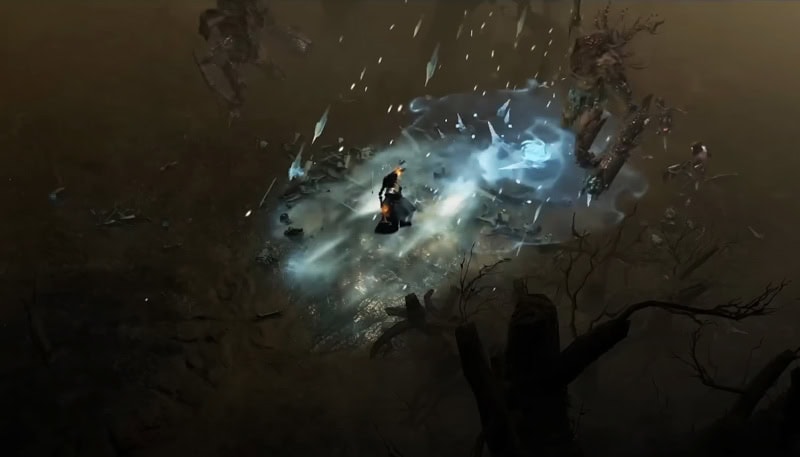
For many players, Diablo 4 is by no means over after the story. That’s when the game really begins. After you have completed the campaign and reached the maximum level, there is still a lot to do. We’ll tell you which challenges await you and what you can do in the endgame.
PvE in Diablo 4 (IV) Endgame
Once your character reaches the level cap and the main story is complete, Diablo 4’s PvE endgame truly begins. You unlock access to challenging endgame activities designed to test both your build and your execution. As difficulty increases, so does the quality of loot, making smart progression especially important in the current season.
A core part of endgame progression remains Nightmare Dungeons. These dungeons scale in difficulty and introduce powerful modifiers that directly affect gameplay. For example, additional enemy spawns, environmental hazards, or altered combat rules can completely change how encounters play out. Naturally, higher difficulty tiers offer better rewards, but they also demand optimized gear and solid survivability.
At the same time, Helltide events continue to play a major role in PvE farming. During these open-world events, Sanctuary is overrun by demonic forces, and players must defeat elite enemies to collect embers. These embers are then used to open Helltide Chests, which remain a valuable source of endgame loot and crafting materials. Timing, efficiency, and staying alive matter more than ever here.
For players who want to push even further, long-term power progression comes from the Paragon system. Each Paragon point allows you to fine-tune your character, increasing damage output, defense, or utility depending on your build goals. Combined with seasonal challenges introduced in Season of Slaughter, Paragon progression becomes a key factor in staying competitive throughout the endgame.