
Guild Wars 2 (GW2)
Showing all 2 resultsSorted by popularity
-
Buy Guild Wars 2 Gold – Manual Mail Delivery for EU and US Accounts
-

Buy GW2 Mystic Coin – Mystic Forge Material for Legendary Goals
- Gold shapes long-term account planning through Trading Post purchases, crafting materials, legendary collections, gear upgrades, waypoint costs, and alt progress.
- Mystic Coins matter for legendary crafting and Mystic Forge goals, so their market value often changes with player demand.
- Progression connects many systems: open-world events, story chapters, Masteries, elite specializations, strikes, raids, fractals, PvP, and World vs. World.
- Trading Post pressure affects gear and crafting choices, especially when materials, upgrades, skins, and legendary components rise in demand.
- The Visions of Eternity cycle keeps player goals active through story chapters, map progress, new elite specializations, raid plans, rewards, and account-wide systems.
- Returning players need to check current build, expansion access, economy goals, and group-content readiness before choosing the next direction.
Guild Wars 2 has stayed active for years because it does not push every player through one narrow path. Some players focus on story chapters and map completion. Others build legendary weapons, prepare for fractals, join raid groups, play structured PvP, fight in World vs. World, collect skins, work on Homestead goals, or turn the Trading Post into a long-term economy project.
That variety creates different pressure points. Economy planning affects daily choices, Mystic Forge materials affect legendary crafting, and account systems shape long-term progress. Gear templates, builds, Masteries, mounts, professions, and expansion ownership all influence which goal makes sense next.
How Guild Wars 2 Works
Guild Wars 2 is an MMORPG built around action combat, exploration, story progression, dynamic events, instanced PvE, structured PvP, and World vs. World. ArenaNet’s Guild Wars 2 game overview describes the game as an online role-playing game with action combat, story-driven exploration, two PvP modes, and no subscription fees.
The core loop is broad. Players create a character, choose a profession, move through personal story and map exploration, unlock expansion systems, collect currencies, improve builds, and work toward account-wide goals. Progress does not stop at level 80. Endgame often shifts toward gear quality, legendary crafting, collections, strike missions, fractals, raids, achievement chains, fashion, mounts, Masteries, and account utility.
Region matters mostly through account location and economy access. EU and NA players share the same core game systems, but group timing, guild activity, Trading Post behavior, WvW matchups, and social schedules can feel different. Steam and ArenaNet account access can affect login and purchase history, so returning players often need to check which account owns which expansions before planning progress.
Game Modes and Player Goals
Open World, Story, and Events
Open-world Tyria is built around map activity, events, meta chains, achievements, exploration, collections, and expansion stories. Players can spend many hours on map completion, Hero Challenges, Mastery points, rare drops, festival rewards, and event rotations. These goals often look casual at first, then become resource-heavy once collections ask for materials, gold, currencies, and repeated map activity.
Fractals, Strikes, and Raids
Instanced PvE adds group pressure. Fractals reward daily routine and scale upward through agony resistance and challenge modes. Strike missions give players a focused group format tied to story bosses and expansion content. Raids demand role clarity, build preparation, mechanics knowledge, and regular group timing. These modes can affect demand for consumables, gear swaps, ascended items, legendary armor plans, and build upgrades.
PvP and World vs. World
Structured PvP gives players normalized competitive builds, ranked seasons, conquest maps, and team-based pressure. World vs. World is larger and more account-resource driven. Players fight across maps, join commanders, defend objectives, pressure keeps, move with squads, and adjust builds for roaming, support, damage, siege play, and guild activity. WvW goals can create demand for gear templates, consumables, account unlocks, and reward-track planning.
Collections, Fashion, and Account Goals
Guild Wars 2 has a strong account-progress layer. Players often chase skins, dyes, legendary items, mounts, minis, titles, Homestead decoration, and quality-of-life unlocks. Fashion and collection goals can be just as demanding as combat goals, especially when the Trading Post, Mystic Forge, rare materials, and time-gated currencies overlap.
Progression Paths in Guild Wars 2
Guild Wars 2 progression starts with leveling and story access, then expands into account-wide systems. A new character needs map exploration, skills, Hero Points, gear, and profession practice. Expansion characters need Masteries, mounts, elite specializations, map currencies, and story progress. Veteran players often work on legendary weapons, armor, trinkets, runes, sigils, relics, and utility goals.
The main slowdown comes from overlap. One goal rarely needs a single resource. A legendary project can require gold, Mystic Coins, Mystic Clovers, crafting materials, map currencies, account-bound components, gifts, achievements, and repeated event participation. A WvW build may need gear stats, runes, sigils, consumables, role practice, and guild timing. A PvE goal may require boss knowledge, group access, gear upgrades, and weekly lockout planning.
This is why Guild Wars 2 progress feels flexible but demanding. Players can choose their own path, yet high-value goals still ask for time, resources, planning, and steady account preparation.
Economy and Trading Post Pressure
Gold is the base resource behind many Guild Wars 2 decisions. Players use it for Trading Post purchases, crafting materials, gear upgrades, collection steps, waypoint movement, repairs, skins, consumables, and account projects. The Trading Post makes the economy feel active, but it also means popular materials can rise in price when new builds, collections, festivals, patches, and legendary goals increase demand.
For players who need more market flexibility, Guild Wars 2 Gold connects directly to these in-game costs: materials, upgrades, Trading Post purchases, crafting steps, and account-wide goals.
Mystic Coins sit in a more specific part of the economy. They are tied to Mystic Forge recipes and legendary crafting, which makes them valuable for players working toward high-end goals. When many players chase legendary items, Mystic Coin demand can become part of the broader market pressure. GW2 Mystic Coin fits that crafting-focused part of the economy, especially for players planning Mystic Forge progress and long-term legendary projects.
The economy is not only about buying materials. It affects timing. A player may delay a build, postpone a legendary step, skip a collection phase, or pause alt gearing when Trading Post prices move too high. That pressure is one reason Gold and Mystic Coins remain central to Guild Wars 2 planning.
Visions of Eternity Cycle and Player Preparation
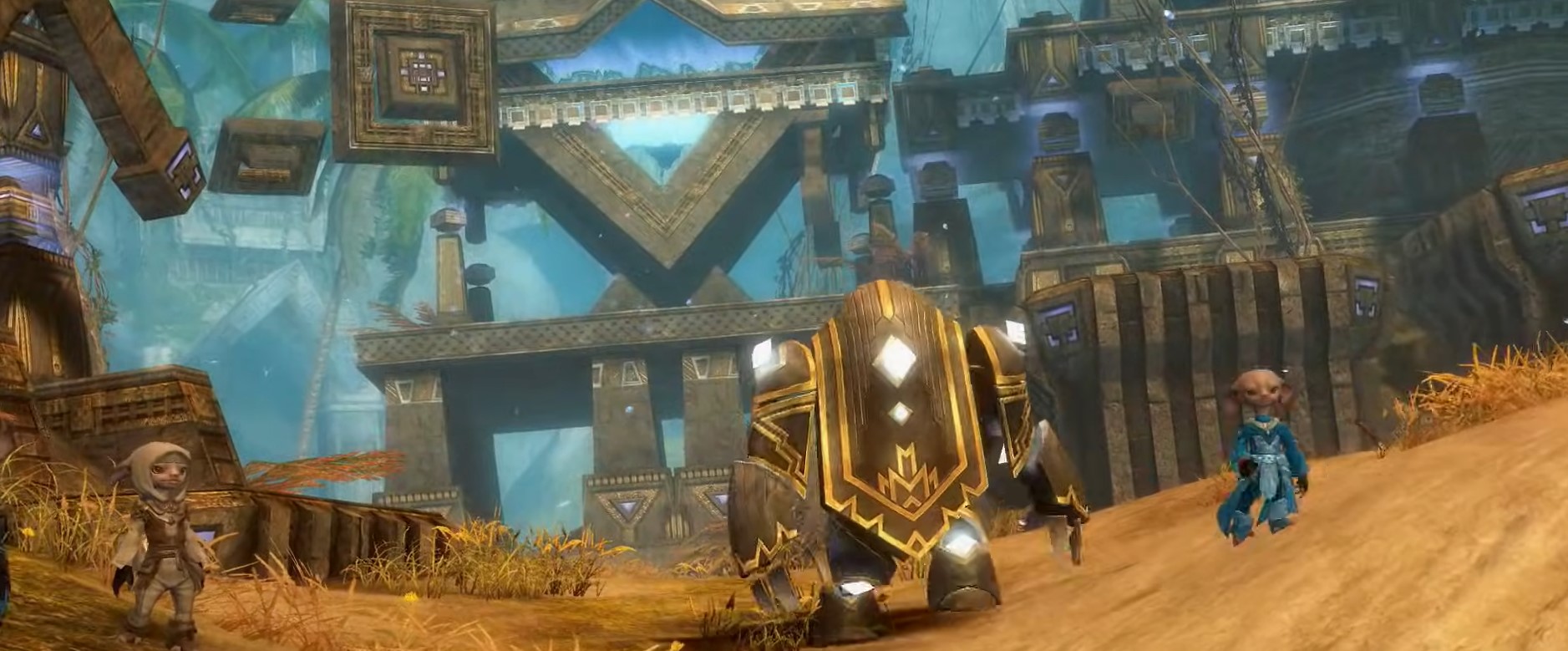
Guild Wars 2 uses an expansion-and-update model that keeps player priorities moving. The Visions of Eternity announcement confirmed the expansion launch date, a year of story chapters, three major content updates, new elite specializations, new raid encounters, a Convergence, a fractal with challenge mode, legendary rewards, seasonal Wizard’s Vault rewards, new relics, and Homestead updates.
This kind of cycle affects player behavior across the game. New elite specializations can change build demand. Raid and fractal updates can move players toward gear checks, role practice, consumables, and group readiness. Legendary rewards can increase demand for Mystic Coins, crafting materials, gold, and collection planning. Story chapters and map activity can create new event rotations, reward priorities, and returning-player catch-up paths.
Players do not need to chase every update at the same pace. A stable plan helps more. Returning players can check expansion access, unlocked Masteries, profession setup, Trading Post prices, active guild schedules, and unfinished legendary steps before investing time into a new goal.
Player Friction Points
Guild Wars 2 does not block progress behind one single wall. The slowdown usually comes from several smaller pressures meeting at the same time.
- Economy pressure appears when materials, upgrades, skins, consumables, and collection items rise in price.
- Crafting pressure becomes more visible when Mystic Forge recipes, legendary collections, and time-gated components overlap.
- Group-content pressure comes from build expectations, role knowledge, mechanics, daily or weekly routines, and guild schedules.
- Alt pressure grows when players repeat Hero Point routes, gear setup, map access, and story unlocks across several characters.
- Competitive pressure depends on balance changes, squad roles, PvP seasons, WvW reward tracks, and current build trends.
- Returner pressure appears when older account progress no longer matches the active expansion cycle, economy, or build meta.
These points explain why many players split Guild Wars 2 planning into economy goals, crafting goals, group readiness, competitive preparation, and account-wide catch-up.
Service Map for Player Goals
Guild Wars 2 goals are easier to sort when they are matched to the actual system behind the slowdown.
- Trading Post and material goals usually connect to Gold planning, crafting costs, upgrades, skins, and account utility.
- Legendary and Mystic Forge goals often connect to Mystic Coins, Mystic Clovers, Gifts, collections, and long-term crafting routes.
- Open-world and story goals depend on expansion access, map progress, Masteries, mounts, achievements, and active event chains.
- Instanced PvE goals depend on gear, builds, role practice, boss mechanics, agony resistance, and repeatable weekly planning.
- PvP and WvW goals depend on balance updates, role choice, team coordination, reward tracks, and current build pressure.
The useful approach is to start from the in-game goal. A legendary weapon, a WvW build, an alt setup, a Trading Post purchase, and a Mystic Forge step each create different pressure. Matching the goal first keeps the choice cleaner and avoids treating every Guild Wars 2 problem as the same kind of grind.
Why Players Return to Guild Wars 2
Guild Wars 2 keeps players returning through flexibility. A player can log in for a short daily routine, a festival, a map meta, a ranked PvP session, a WvW squad, a raid night, a collection step, a fashion project, or a major expansion chapter. The game rewards long-term account building without forcing one fixed route for every player.
That structure gives Guild Wars 2 its staying power. The same account can support casual exploration, difficult group content, competitive play, economy goals, and cosmetic identity. Progress can slow down, but players usually have another path available when one goal feels too expensive, too time-heavy, or too group-dependent.