
Star Citizen is a space MMO built around ships, contracts, trade, combat, exploration, cargo risk, and long-term progression. Players move through the Persistent Universe by improving ships, components, gear, credits, and their readiness for the next session.
Because the game is still in Alpha, progression pressure is not only about skill. Failed cargo runs, destroyed ships, lost gear, economy changes, and reset pressure can all push players back into recovery mode.
Star Citizen services are support formats that help players deal with economy pressure, recovery needs, and progression friction in the Persistent Universe. They matter most when players want to cut recovery time and get back to their preferred gameplay loop faster.
How Star Citizen Works
Star Citizen mixes ship flight, first-person combat, cargo hauling, mining, salvage, exploration, landing zones, stations, and player-driven activity. A session can begin in a city, move into orbit, continue through a contract, and end with profit, repairs, lost gear, or a new ship goal.
Progress does not follow a classic level-cap structure. Instead, players build flexibility through ships, components, reputation, equipment, and credits. With several prepared ships and enough resources, a player can switch roles faster, recover from mistakes more easily, and spend less time stuck in repetitive grind.
RSI presents Star Citizen as a space simulation built around ships, planets, missions, trade, combat, and exploration. That broad scope is why credits, preparation, and recovery matter across so many playstyles.

Progression and Recovery Loop in Star Citizen
Star Citizen progression depends on what a player can access, afford, replace, and test. One player may focus on early contracts and basic upgrades. Another may prepare for cargo, mining, salvage, FPS missions, or multicrew activity. A returning player may simply need to rebuild after a failed run or a period away from the game.
That is why progress in Star Citizen often feels unstable. A profitable session can open new options, but one bad cargo run, lost ship, or failed bunker can send the player back into a rebuild phase. The game rewards preparation, yet that preparation often becomes expensive across many playstyles.
aUEC as the Main Economy Bottleneck
aUEC sits at the center of Star Citizen’s Alpha economy. It is the main temporary currency behind ships, rentals, components, armor, weapons, commodities, repairs, and recovery after losses.
This matters because nearly every playstyle creates credit pressure. Cargo players need starting capital. Combat pilots burn credits on repairs, fuel, and replacement parts. FPS players lose gear. Ship-focused players need enough room to test loadouts without repeating the same small loops for too long. When credits run low, progression slows down across the whole account.
When credits become the main source of friction, aUEC is the most relevant support format. It helps players restore economic flexibility without replacing the rest of the gameplay loop.
Players who need help with that specific credit bottleneck usually look for Star Citizen aUEC rather than a broader progression format.
Current Alpha Economy Pressure
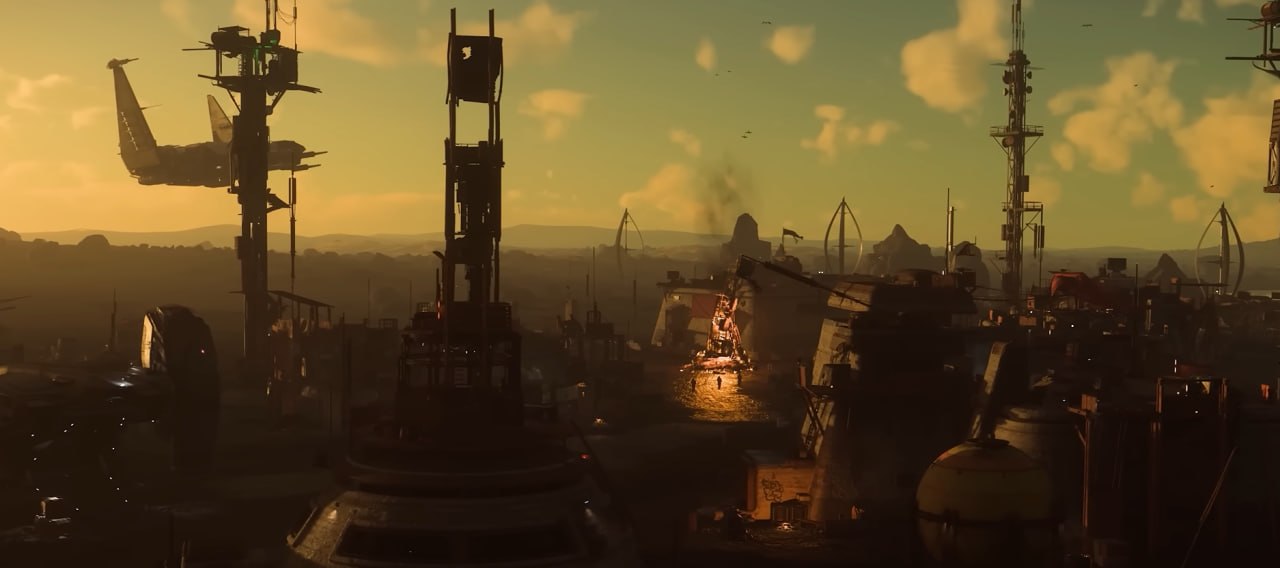
Star Citizen is still in active Alpha development, so economy pressure can shift with larger balance updates, resets, or progression changes. In the current Alpha 4.10 live cycle, that pressure still affects rebuild speed, recovery costs, and the value of available credits.
As a result, a less stable economy puts more pressure on repairs, replacement costs, and preparation for the next session.
What Star Citizen Services Change
Star Citizen services do not replace the game. They reduce the part of the loop where recovery, preparation, or repetitive grind blocks the content a player actually wants to play.
In practical terms, they help players get back to contracts, cargo plans, rebuilds, and ship setup faster. Different Star Citizen services fit different types of friction. Economy pressure usually points players toward credit-focused help, while other bottlenecks may call for other forms of support.
Why Players Keep Returning to Star Citizen
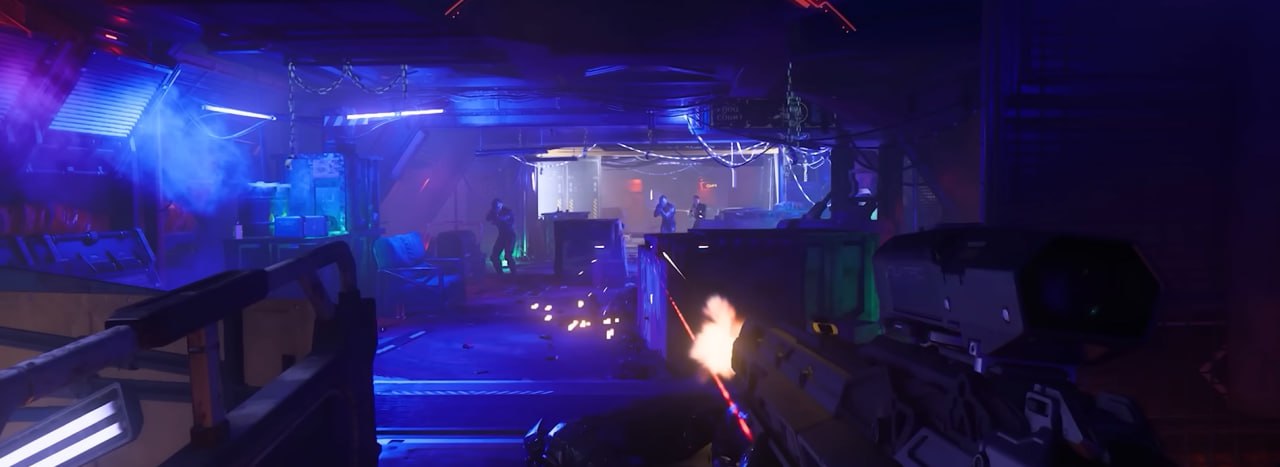
Star Citizen keeps players returning because each session can feel different. One day may be about cargo and trade risk. The next may focus on bounty hunting, mining, salvage, a bunker run, multicrew planning, or testing a new ship loadout. Even in Alpha, that variety gives the game long-term pull.
The friction is real, but so is the payoff. Ships feel different, losses matter, and each recovery phase changes the next session. That is why players keep coming back even when the economy is harsh. The game rewards freedom, readiness, and the ability to move between roles without losing momentum.