


PoE2 Currency is the item-based economy of Path of Exile 2, used for trade, crafting, gear upgrades, and build progression. The game does not rely on a simple gold economy. Instead, trading, crafting, item upgrades, build changes, and endgame preparation all depend on valuable currency items.

On CoinLooting, you can compare the main PoE2 Currency options and choose what fits your current goal. Use it when you need smoother trading, more crafting room, or stronger preparation for maps, bosses, and league mechanics.
Last updated: 29.05.2026
What PoE2 Currency Means in Path of Exile 2
Path of Exile 2 uses an item-based economy. Currency items are not just money. They work as practical tools for gear upgrades, item rerolls, crafting plans, player trade, and build recovery.
That is why PoE2 Currency matters across almost every stage of the game. Early on, it helps cover missing gear pieces. Later, it becomes more important for crafting, trading, and expensive endgame upgrades.

According to the official Path of Exile 2 Return of the Ancients FAQ, Runes of Aldur starts with a fresh economy, while Standard Early Access characters stay available. Atlas changes, balance updates, and new crafting options can also push players to adjust builds and rethink gear.
Why Currency Matters in the Current PoE2 Economy
Return of the Ancients changes how players move into endgame. The Atlas now has clearer objectives, new questlines, expanded progression, and more structured access to league mechanics and bosses. As a result, players need better gear planning and more room to adjust builds.
Runes of Aldur introduced a fresh economy and more crafting pressure. Remnants, runes, Verisium, Runic Ward, and related crafting options give players more ways to improve items. They also create more decisions around what to craft, what to trade, and where to spend valuable currency.
Fate of the Vaal remains relevant because the Temple of Atziri has moved into the core game. This keeps Vaal-related progression and temple rewards connected to the broader PoE2 economy.
For players, the main point is simple. PoE2 Currency supports the systems they already use every day: trade, crafting, item upgrades, build recovery, and endgame preparation.

Core PoE2 Currency Options on CoinLooting
Different currency items solve different problems. Some are better for regular trade. Others matter more when crafting or upgrading expensive gear. CoinLooting focuses on the most useful PoE2 Currency options for real player progression.
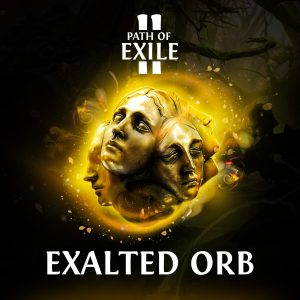
PoE2 Exalted Orbs
PoE2 Exalted Orbs are tied to higher-value crafting and stronger item progression. Players need them for rare gear upgrades, serious crafting attempts, or stronger trade pieces.
They are especially useful when a build already has a clear direction, but the next upgrade is hard to finish through random drops alone.
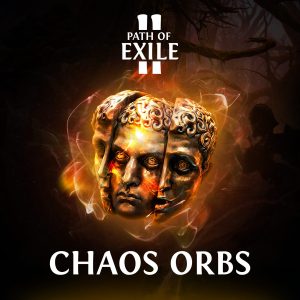
PoE2 Chaos Orbs
PoE2 Chaos Orbs are practical for everyday trade and flexible item work. Players use them for several gear upgrades, item adjustments, and regular market activity.
Chaos Orbs are useful when progress is not blocked by one rare item, but by several smaller gear gaps.
PoE2 Divine Orbs
PoE2 Divine Orbs become more important when item value and trade decisions get more expensive. They support premium trades, high-value gear choices, and later build upgrades.
They fit players who already know what their build needs and want to push it further.

What Players Usually Use PoE2 Currency For
Most players look for PoE2 Currency with a clear goal. They need it when farming slows down, trade prices rise, or crafting plans start draining resources.
Players commonly use currency to:
- upgrade gear when a build starts falling behind;
- support crafting attempts on stronger item bases;
- buy missing trade pieces for a planned setup;
- recover after expensive build changes or respecs;
- prepare for harder maps, bosses, and league mechanics;
- keep momentum during a fresh league economy.
This makes currency valuable because it removes friction. Instead of waiting for lucky drops, players can focus on the content they actually want to play.
From Fresh League Economy to Endgame Pressure
A fresh PoE2 league always changes the economy. Prices move quickly, useful items become more expensive, and strong early upgrades can shape the next hours of progression.
Runes of Aldur adds more pressure because new crafting options and reward paths affect what players want to build. At the same time, the updated Atlas creates clearer endgame goals.
That creates four common pressure points:
Crafting pressure. A player has the right base or build idea, but still needs more currency to finish the item properly.
Trade pressure. The build is mostly clear, but several missing pieces need to come from other players.
Endgame pressure. A character can run content, but still needs better gear for smoother maps, bosses, or league encounters.
Rebuild pressure. A player wants to test a new setup or recover from earlier spending without losing too much time.
These are the moments when PoE2 Currency becomes part of the progression route, not just an optional extra.
Why Use CoinLooting for PoE2 Currency Options
Choosing the right PoE2 Currency should be simple. This page helps players compare the main options and understand which currency fits trade, crafting, or endgame progression best.
CoinLooting keeps the experience clear with:
- separate PoE2 Currency options for different progression goals;
- real support available daily from 08:00 to 00:00 CET;
- experience with game services since 2021;
- customer feedback and public Trustpilot reviews that help new buyers feel more confident.
If you are not sure which currency fits your current build or league goal, check the available options and ask Live Chat before placing an order.