
Diablo 4 remains a dark fantasy action RPG built around class identity, loot progression, and long-term character growth across Sanctuary. The game is not defined by a single campaign run. Instead, it keeps players engaged through build experimentation, stronger gear, repeatable activities, and increasingly demanding endgame systems. That is why different kinds of players run into different progression needs in Diablo 4, especially once they move deeper into endgame systems and repeatable content.

Main Diablo 4 service types
This category is built around the main Diablo 4 progression services players usually look for.
A practical option for players who want more flexibility for trading, crafting-related needs, and general progression support.
Leveling and character progression
Useful for players who want a faster route through leveling, seasonal progress, and early character development.
Endgame and preparation support
A strong option for players who want to prepare for tougher content, reduce routine grind, and move into more rewarding parts of Diablo 4 sooner.
Additional progression support
The category can continue expanding as product coverage grows around the progression systems and gameplay goals Diablo 4 players engage with most.
This structure works because Diablo 4 players usually arrive with a specific goal. Some want to prepare for endgame faster. Some want a better route through seasonal progression. Others simply want a clearer way to navigate Diablo 4-related services without browsing mixed generic listings.

Why Players Use Diablo 4 Services
Players usually look for Diablo 4 services for practical reasons rather than out of general curiosity. Diablo 4 is built around progression loops that reward time, preparation, and efficiency. In practice, that often means leveling a class faster, improving farming speed, preparing for tougher content, or reducing the routine tied to gearing and upgrade cycles.
That is what makes this category useful. It is not meant to retell the whole story of Sanctuary. It is meant to connect real player intent with the parts of Diablo 4 that usually create demand: class progression, farming efficiency, endgame preparation, and faster access to the content players actually want to play.
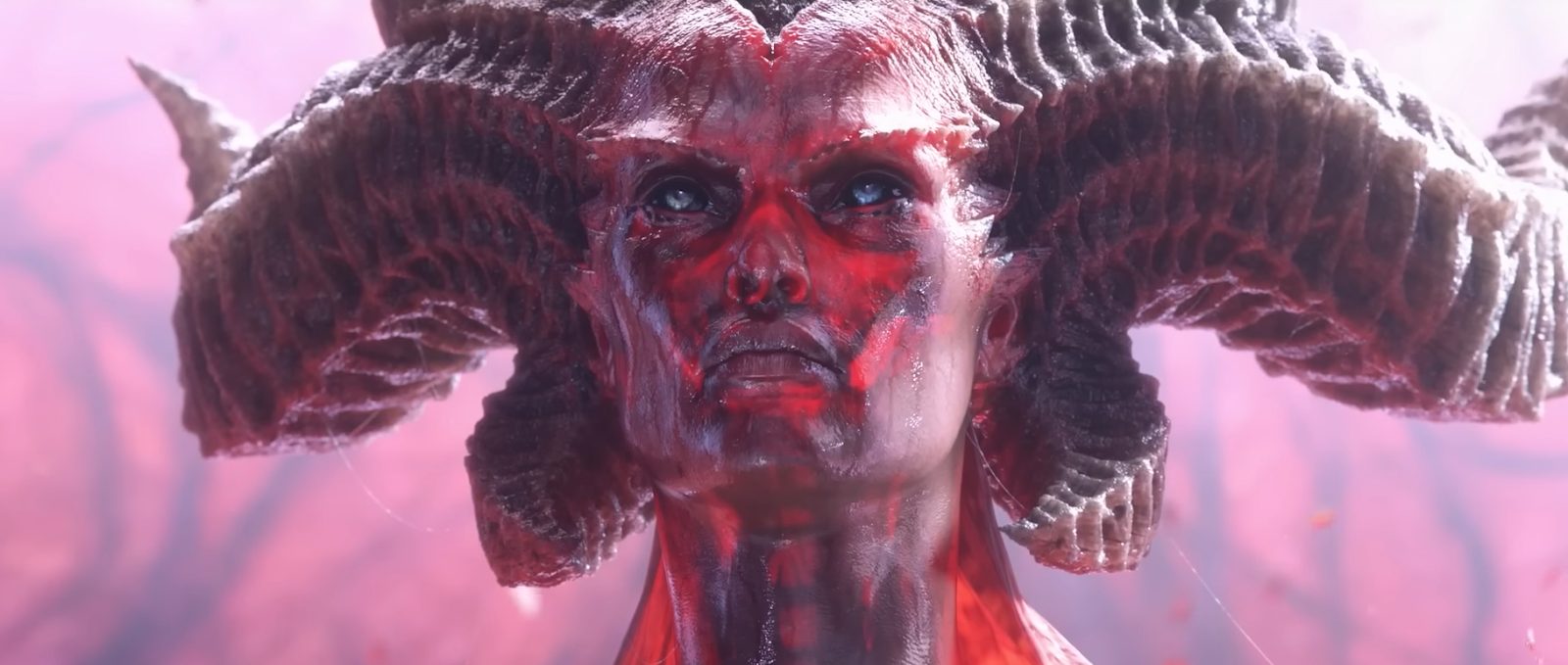
Diablo 4 Progression and Replayability
Character growth in Diablo 4 starts with early build definition and opens into deeper customization later on. Players shape the feel of a class during leveling, then continue scaling through Paragon development, item optimization, and stronger build refinement once they move deeper into the game. That progression model keeps endgame optimization central to the experience and gives players strong reasons to keep improving a character long after the first major milestones are complete.
Difficulty in Diablo 4 is tied directly to readiness. As players move upward, the balance between risk and reward depends more on build quality, survivability, and efficient gearing. This makes progression feel less like a straight line and more like a steady climb into harder but more rewarding content.
Class variety is also one of the biggest reasons Diablo 4 stays replayable across new characters and ongoing content cycles. Different classes create different combat rhythms, build priorities, and farming goals, which keeps rerolls, alt characters, and experimentation important parts of the experience.

Difficulty Levels in Diablo 4
In the current expansion era, Diablo 4 moved away from the old World Tier structure and into a broader difficulty model. The standard difficulties are Normal, Hard, Expert, and Penitent, while endgame progression continues into the Torment tiers. Gold and experience rewards increase as players move up through these difficulties.
Standard difficulties
- Normal and Hard are available by default.
- Expert unlocks after completing Diablo IV’s prologue.
- Penitent unlocks after completing Diablo IV’s base campaign or by using the campaign skip option.
Torment progression
- Reaching level 60 unlocks The Pit and tiers 1–20.
- Completing Pit Tier 20 unlocks Torment I.
- Completing Pit Tier 35 unlocks Torment II.
- Completing Pit Tier 50 unlocks Torment III.
- Completing Pit Tier 65 unlocks Torment IV.
This system matters because it gives players a clearer way to control risk and reward. It also reinforces the role of The Pit as one of the main gateways into higher-end Diablo 4 progression. Blizzard’s official overview also notes that Torment tiers reduce Armor and Resistances more aggressively as players climb, which makes build quality and preparation more important at every stage.

Spiritborn, Nahantu, and Mercenaries
Diablo 4’s current expansion cycle keeps broadening the game through new class options, regional content, and deeper progression systems. That includes the Nahantu region, the Spiritborn class, the return of Mercenaries, and the Paladin rollout tied to Lord of Hatred. Blizzard describes Spiritborn as a Diablo class from the jungles of Nahantu, built around acrobatic close-range combat, spirit energy, and the glaive as a signature weapon.
The four Spirit Guardians
- Jaguar for aggressive pressure and speed-based offense
- Gorilla for resilience, impact, and heavier defensive value
- Eagle for mobility and fast, precise strikes
- Centipede for poison-oriented pressure and damage over time
Spiritborn also uses the Spirit Hall class mechanic. Blizzard explains that players choose one guardian as a Primary Spirit, then unlock a secondary bonus later, which allows stronger specialization or hybrid combinations across two different guardian paths. That makes the class flexible and highly build-driven rather than locked into one fixed style.
Mercenaries add another layer to solo play and endgame progression. There are four recruitable Mercenaries, each built to support different playstyles with their own abilities, questlines, and combat utility.
Mercenary roster
- Raheir the Shieldbearer — a defensive frontline ally built around shield-based protection
- Varyana the Berserker Crone — a brutal melee fighter focused on momentum and close-range pressure
- Aldkin the Cursed Child — a demonic hybrid with darker, more volatile combat tools
- Subo the Bounty Hunter — a ranged support ally who helps from distance and marks targets
These expansion systems matter for a category page because they make Diablo 4 feel broader, more layered, and more replayable over time. They also strengthen category intent, since players now have more reasons to invest in progression, gearing, rerolls, and endgame preparation.

PvP and the Endgame
Players who want to test themselves against others can still do that in Diablo 4 through the Fields of Hatred, but PvP remains an optional layer rather than the core of the game. Diablo 4 is still primarily driven by PvE progression, build development, farming efficiency, and character growth.
For many players, the real game begins in the endgame. That is where characters are refined, builds are tested, and progression becomes more specialized. Farming activities, boss encounters, scaling challenges, and long-term power growth remain the real reason many players continue investing time into Diablo 4. From a category perspective, that matters because most service demand is tied much more closely to endgame readiness and efficient progression than to the early campaign alone.
That long-term value is also supported by the game’s active update cycle. The new Lord of Hatred expansion, released on April 28, 2026, shows that Diablo 4 keeps pushing its endgame and class ecosystem forward instead of standing still between seasons. With Season of Slaughter as the current live phase and the Paladin becoming part of the new expansion rollout, the game continues adding more reasons to invest in character progression, class variety, and long-term endgame preparation.
FAQ
Explore Diablo 4 Services by Progression Goal
Use this category to explore the Diablo 4 service types that match your current progression goals and see which kind of support fits your current stage in the game best.