Final Fantasy XIV (FFXIV)
Showing the single result
Final Fantasy XIV: Game Overview
Final Fantasy XIV is a long-running MMORPG developed by Square Enix, with a player-driven economy, regular content updates, and a wide range of progression paths. Players can focus on story, group combat, crafting, gathering, PvP, housing, collections, or several goals at the same time.
This overview covers the current Patch 7.51 update, progression systems, the FFXIV economy, Worlds, Data Centers, and how server structure affects regular play.
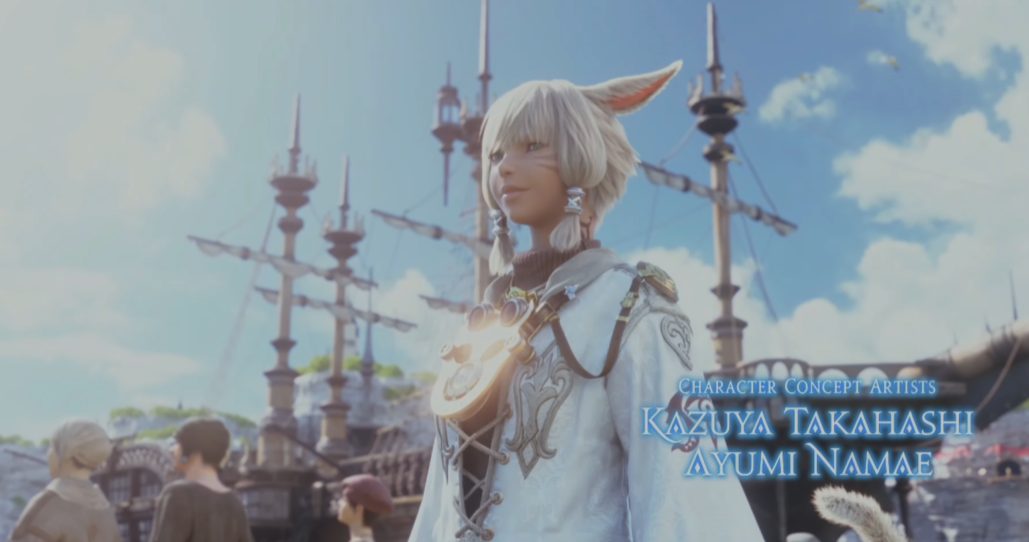
Final Fantasy XIV Miqo’te adventurer in a sunlit city
FFXIV Miqo’te adventurer in a city setting
Patch
Patch 7.51 continues the Trail to the Heavens cycle in Final Fantasy XIV with Dancing Mad (Ultimate), custom deliveries featuring Tiisol Ja, Cosmic Exploration on Auxesia, new furnishings, orchestrion rolls, Triple Triad cards, emotes, items, recipes, and system updates.
For players, this update matters across several activities. High-end groups prepare for Dancing Mad (Ultimate), crafters and gatherers move into new delivery and Cosmic Exploration goals, collectors chase new rewards, and housing fans get more items to work with. That keeps FFXIV active across raids, crafting, gathering, housing, collections, and Market Board demand.
Progression Paths in FFXIV
FFXIV rarely pushes players into one fixed route. The game works through parallel progression systems, and most players move between them depending on goals, available time, and current patch rewards.
Main Scenario Quests
Main Scenario Quests, often called MSQ, form the core story route. Every expansion extends the main story, and players usually need MSQ progress to unlock many dungeons, trials, raids, systems, and later content.
Trials
Trials are 8-player boss fights, usually available in Normal and Extreme difficulty. Extreme trials reward mounts, weapons, totems, and other patch-cycle goals. They sit below Savage raids in difficulty but still require stronger execution than regular story duties.
Alliance Raids
Alliance raids scale up to 24 players across three parties. They usually tell standalone stories and reward weekly gear with a more relaxed difficulty curve than Savage raids.
Savage Raids
Savage raids are the standard endgame route for serious 8-player groups. Each tier has four fights, weekly loot lockouts, gear progression, and a clear difficulty ramp.
Ultimate Raids
Ultimate raids sit at the top of FFXIV’s difficulty ladder. Each Ultimate combines earlier raid themes into a long, execution-heavy encounter. The main reward is prestige, with special weapons and a clear title.
Unreal Trials
Unreal trials bring older fights back at current item level. They rotate during patch cycles and reward weekly tokens for cosmetic items and other rewards.
Crystalline Conflict
Crystalline Conflict is the main PvP mode in FFXIV. It uses a 5v5 arena format with seasonal rankings and rewards. PvP series rotate across major patches.
Crafting and Gathering
Crafting and gathering form a full parallel game. Disciples of the Hand and Land have their own quests, gear, rotations, collectables, tools, and endgame goals. They also drive much of the Market Board economy after major patches.
Exploratory Zones
Exploratory zones such as Occult Crescent, Bozja, and Eureka mix solo play, group goals, special progression systems, and relic-style rewards. These zones often become long-term goals for players who want progression outside regular raids.
Housing, Glamour, Mounts, and Collections
Housing, glamour, mounts, minions, emotes, orchestrion rolls, and collection rewards form the long-term account layer. None of it is required for combat progress, but many veteran players spend a large part of their time here after weekly goals are complete.
Economy and Market Board
FFXIV’s economy is player-driven. Crafters and gatherers supply the Market Board, and prices react to patch cycles, server population, new recipes, raid preparation, housing demand, cosmetic demand, and seasonal activity. When a major patch lands, the materials, consumables, crafted gear, furnishings, dyes, tools, and collection items that players want can shift.
The economy also changes from World to World. Larger Worlds often have deeper supply and tighter competition, while smaller Worlds can see sharper price movement after a patch. Players can buy from the market while visiting another World, but selling remains tied to the Home World through retainers. For server-specific Gil context, see our FFXIV Gil offer.
Final Fantasy XIV adventurers exploring a forest area
FFXIV adventurers exploring a forest locationFFXIV Gil page.

Worlds and Data Centers
FFXIV is split across four physical regions. Each region contains several Data Centers, and each Data Center contains multiple Worlds.
- North America: Aether, Crystal, Dynamis, Primal
- Europe: Chaos, Light
- Oceania: Materia
- Japan: Elemental, Gaia, Mana, Meteor
Region-based matching lets Duty Finder and Party Finder connect players across Worlds inside the same physical region. This gives players more group options, especially on smaller Worlds.
Data Center Travel lets players visit other Data Centers within the same physical region. World Visit lets players move between Worlds inside the same Data Center. These systems are useful for social play, hunts, events, group recruitment, and market checking. Your Home World still matters for retainers, selling items, housing, Free Company activity, and the economy your character is tied to.
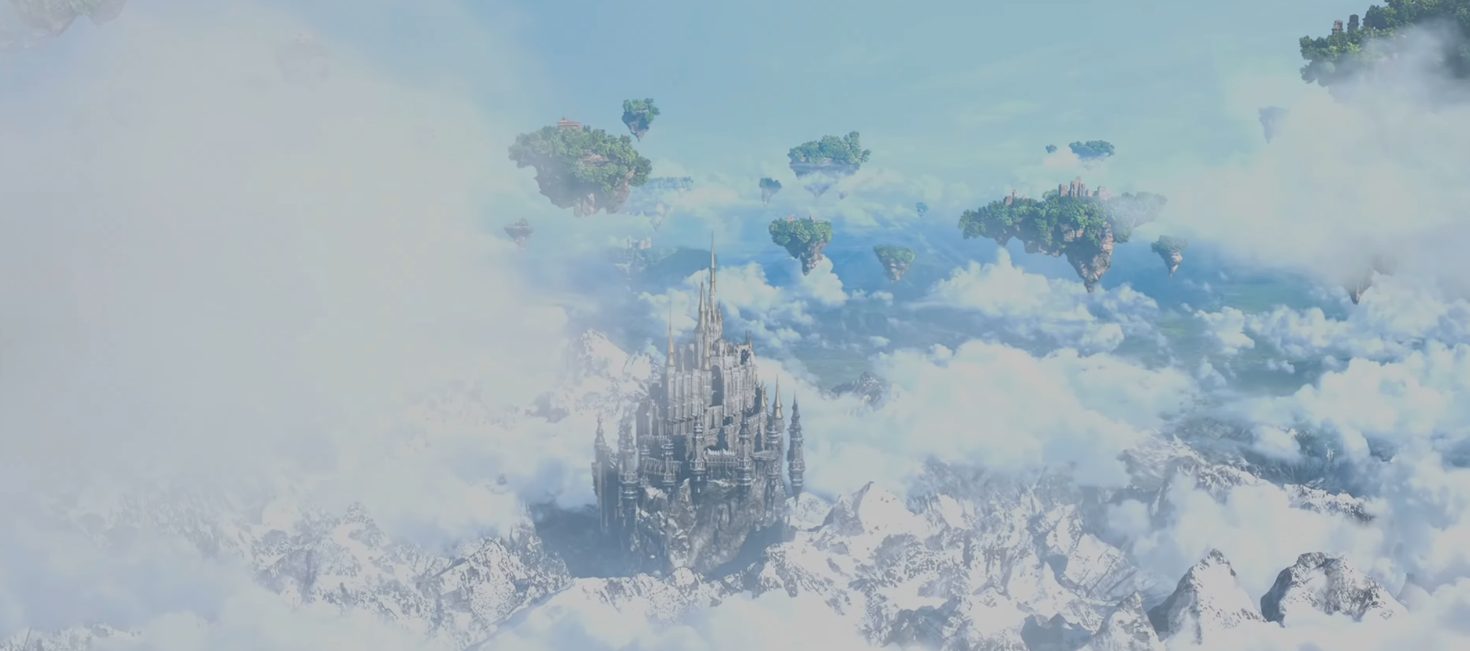
Final Fantasy XIV castle above snowy mountains and floating islands
FFXIV fantasy landscape with castle, mountains, and floating islands