
Dune: Awakening
Showing all 2 resultsSorted by popularity
- HOT

Buy Dune Awakening Power Leveling – Manual Piloted Leveling to 200
- HOT

Buy Dune Awakening Solari – Manual Solari Delivery for Arrakis

Dune Awakening Services
- Solari supports trading, crafting, base growth, vehicle upkeep, gear planning, faction activity, and recovery after costly desert runs.
- Character growth depends on survival discipline, mentor choice, Schools of the Imperium, crafting access, schematics, contracts, Testing Stations, and long-term specialization.
- The Deep Desert creates pressure around spice, rare materials, PvE and PvP instance choice, weekly map shifts, vehicle readiness, and group timing.
- Landsraad activity connects faction goals, guild planning, House influence, missions, rewards, and wider server population.
- Server health, character migration, and region choice can affect social hubs, group activity, trade flow, and access to active player communities.
- Returning players need to check patch changes, Deep Desert rules, Landsraad systems, vehicle recovery, base tools, and current progression routes before setting a new goal.
Dune: Awakening is an open world survival RPG built around Arrakis, where heat, water, sandworms, spice, politics, crafting, and player activity all shape progress. The game rewards players who plan before they leave the safety of a base, but it can slow down anyone who lacks Solari, vehicle parts, crafting access, faction standing, or enough time for repeated resource loops.
CoinLooting options for Dune: Awakening connect to these real player needs. Some players need more Solari for the economy and recovery. Others want a cleaner leveling path before faction goals, Deep Desert runs, and high-tier crafting begin to matter more. The goal is not to replace the game, but to reduce the slowest preparation loops around the systems players already care about.

How Dune Awakening Works
Dune: Awakening takes place on Arrakis in an alternate Dune timeline. The official Dune: Awakening overview describes the game as an open world survival RPG where players explore Arrakis, survive sandworms, build a home, craft an ornithopter, and follow the mystery of the missing Fremen.
The core loop starts with survival. Players manage water, heat, shade, stillsuit use, traversal, hostile patrols, and the constant threat of the open sand. From there, the game expands into crafting, base building, contracts, faction progress, spice harvesting, vehicle construction, guild activity, and the wider political pressure around House Atreides and House Harkonnen.
Progress is tied to preparation. A player who leaves base without water, repairs, the right gear, or a vehicle plan can lose time before reaching the real objective. A player who prepares better can move between contracts, resource routes, Testing Stations, faction goals, and Deep Desert activity with fewer interruptions.
Platform and server access are part of that planning. Dune: Awakening launched first on PC, with console versions planned for PlayStation 5 and Xbox Series X|S. Server population, region choice, and migration rules affect trade, social hubs, guild activity, and the feeling of a living Arrakis.
Game Modes and Player Goals
Dune: Awakening works best when players choose a goal before chasing every system at once. Solo survival, faction progress, guild play, economy work, and Deep Desert activity ask for different preparation.
Common player goals include:
- Survival and base growth through water discipline, shelter, crafting stations, upgrades, and better resource storage.
- Faction progress through House Atreides or House Harkonnen activity, contracts, reputation, and political rewards.
- Crafting and schematics through materials, rare components, Testing Stations, boss-related rewards, and gear upgrades.
- Vehicle planning through bikes, ornithopters, fuel, repairs, modules, and safe travel across dangerous terrain.
- Deep Desert activity through spice, high-value resources, shipwrecks, PvE or PvP instance choice, and weekly route changes.
- Guild and Landsraad goals through coordinated missions, influence, voting pressure, and shared preparation.
These goals overlap. Solari supports many of them, but currency alone does not solve route knowledge, faction timing, combat skill, or group coordination. That is why a strong Dune: Awakening plan usually combines economy, progression, crafting, and server activity.
Progression Paths in Dune Awakening
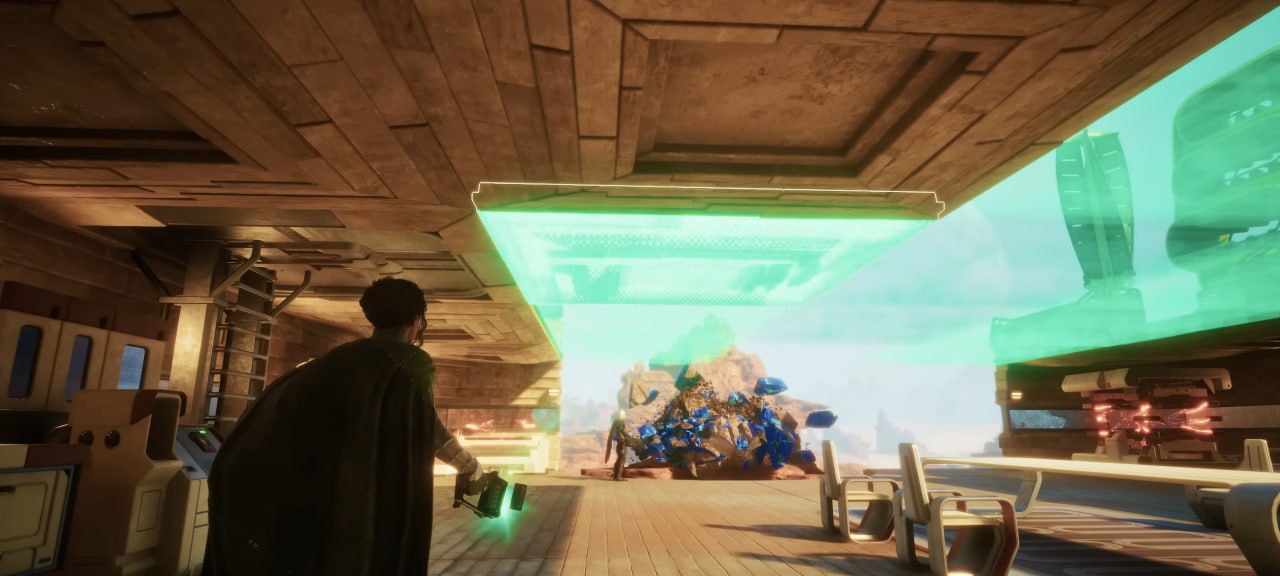
Character progress in Dune: Awakening is broader than raw levels. The early game teaches survival, movement, water discipline, and base basics. After that, players begin to care more about contracts, crafting unlocks, faction access, vehicle parts, rare materials, and better combat options.
Mentor choice and Schools of the Imperium shape the way a character grows. Combat, exploration, harvesting, crafting, piloting, and utility choices can push a player toward different roles. A player focused on solo survival may build differently from a player preparing for group missions, Deep Desert resource runs, or guild pressure.
Progress can slow down when several systems demand attention at the same time. A player may need Solari for trade, better gear for Testing Stations, materials for vehicles, storage for resources, and faction progress for future goals. This makes Dune: Awakening less linear than many MMO-style games.
For players who want to move through the leveling curve with a clearer path, Dune Awakening Power Leveling fits the character growth side of the game. It belongs near progression planning rather than the economy block, since its main value is access to later systems and less time spent in repeated XP loops.
Economy and Solari Pressure
Solari is the main currency pressure point in Dune: Awakening. Players use it around trading, equipment, crafting, base work, faction needs, materials, vehicles, and recovery after lost runs. The more a player moves into costly systems, the more Solari becomes part of long-term planning.
The economy connects to several recurring costs:
- Gear and equipment for stronger combat, safer travel, and better mission readiness.
- Crafting and upgrades for weapons, armor, vehicles, gadgets, and base systems.
- Trade and market activity when materials, schematics, or useful items become more expensive after update cycles.
- Faction and Landsraad pressure when missions, guild goals, and House activity push players toward better preparation.
- Recovery after setbacks when PvP losses, sandworm danger, travel mistakes, or failed runs create extra spending.
For players who need more room in the economy, Dune Awakening Solari connects directly to these in-game costs. This is the most natural CoinLooting option for Solari planning, trading flexibility, vehicle preparation, and recovery after costly activity.
Deep Desert, Landsraad, and Update Pressure
Dune: Awakening changes over time through patches, public test builds, DLC plans, server work, and balance updates. The official update flow has recently focused on Deep Desert structure, server health, character migration, Landsraad missions, new overland locations, and PvE or PvP access rules.
The Deep Desert is one of the main pressure points. Players go there for spice, rare resources, shipwrecks, high-value activity, and stronger rewards. The zone structure, instance rules, and weekly map shifts can change how players prepare vehicles, storage, routes, guild timing, and risk level.
Landsraad activity adds another layer. It connects faction missions, House goals, guild contribution, specialization, voting pressure, and long-term rewards. When Landsraad systems change, players may shift attention toward mission types, group timing, crafting output, harvesting routes, combat readiness, and exploration goals.
Recent official patch communication around Dune: Awakening has included character transfers, character migration, Deep Desert PvE and PvP instances, new overland locations, Water Wars DLC, and further roadmap work. The official patch notes hub is the best source for checking live rules before writing exact update claims or adding time-sensitive wording.
Player Friction Points on Arrakis
Dune: Awakening creates friction through time, risk, and preparation. The game does not slow players only through combat. It slows them through resource needs, travel distance, recovery costs, market timing, group schedules, and the need to prepare for hostile environments.
Common slow points include:
- Water and travel planning before longer desert routes.
- Vehicle loss or repair pressure after bad travel decisions or dangerous encounters.
- Material farming when crafting, base work, gear, or vehicle progress needs rare components.
- Solari demand when the player wants more trade flexibility or faster recovery.
- Testing Station pressure when better gear, routes, or group readiness are needed.
- Deep Desert timing when weekly changes, instance choice, or PvP risk affect route planning.
- Guild and faction scheduling when Landsraad missions and House goals depend on active players.
These points explain why Dune: Awakening services should be mapped by player goal. A currency need, a leveling need, and a guild preparation need are not the same problem.
Service Map for Player Goals
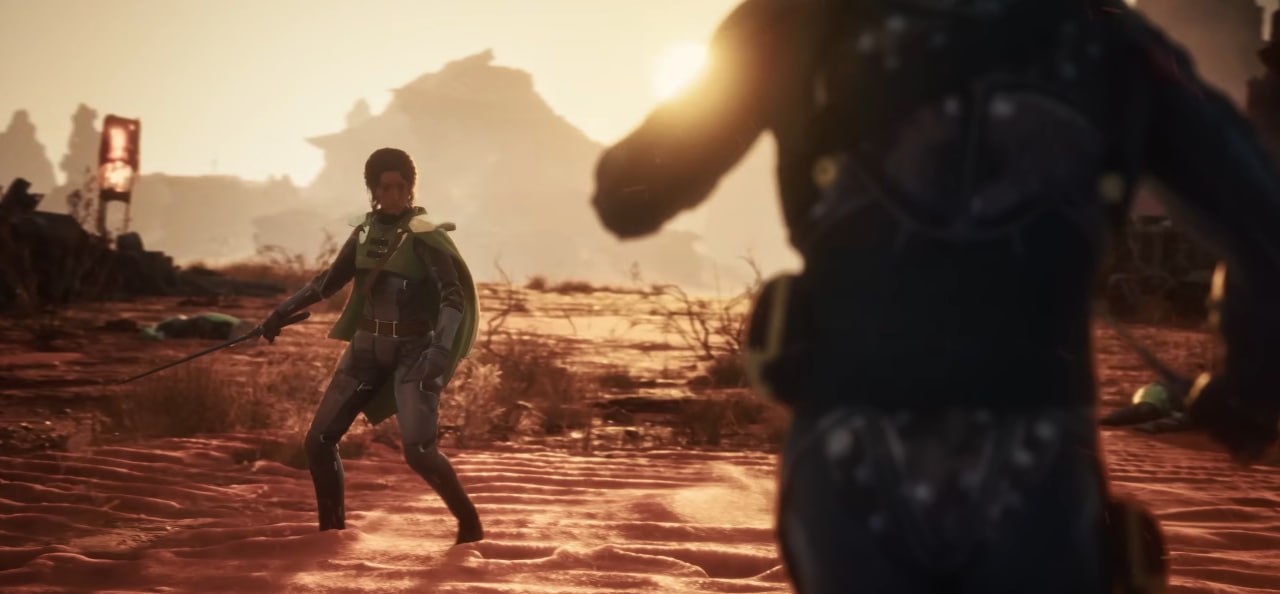
CoinLooting support for Dune: Awakening should stay tied to real gameplay goals.
- Solari needs connect to trading, gear, crafting, vehicles, base progress, faction activity, and recovery after risky runs.
- Power leveling needs connect to character growth, unlock access, higher-tier systems, faction readiness, and less time spent in repeated XP loops.
- Future service opportunities may fit crafting, materials, vehicles, Testing Stations, faction progress, or guild activity if real CoinLooting options are added later.
- Self-play and account-access differences should stay tied to the selected option, since currency and progression services can follow different handling models.
The service map should stay flexible. Dune: Awakening is still shaped by patch cycles, server changes, and player feedback. A useful game hub should explain why players need support, then let each available CoinLooting option carry its own delivery rules, requirements, and purchase details.
Why Players Return to Dune Awakening
Players return to Dune: Awakening because Arrakis is built around tension. A simple trip outside the base can turn into a survival route, a resource run, a faction task, a vehicle problem, or a Deep Desert decision.
The strongest part of the game is the way its systems connect. Water affects travel. Travel affects resource access. Resources affect crafting. Crafting affects vehicles and gear. Vehicles affect Deep Desert reach. Deep Desert activity affects spice, Solari pressure, guild planning, and Landsraad goals.
This connected structure gives returning players a reason to check what changed before they commit time again. A patch can move attention toward PvE instances, PvP rules, migration, Landsraad missions, overland locations, or new progression routes. A player who checks these systems first avoids wasting time on outdated plans.