
Siege of Orgrimmar is where MoP Classic stops feeling like broad Phase 5 catch-up and starts feeling like a real weekly commitment. At that point, players usually stop asking whether the raid is open and start asking a more useful question: is this character actually ready for a clean run? In practice, most weak raid nights begin long before the first pull. The usual problems are simpler: unfinished setup, missing consumables, rushed gearing, unclear lockout goals, or a character that has access to current content but is still not ready to use that access well.
This guide is for players who want a cleaner route into Siege of Orgrimmar. Some characters still need catch-up before raid night. Some are ready for boss kills but keep wasting time in unstable groups. Some alts can do early progress, but are not worth throwing into a full clear every week. If you want the broader expansion context before locking into raid prep, WoW Pandaria Classic is the main hub, and Blizzard’s current Phase 5 update is here: Mists of Pandaria Classic: The Siege of Orgrimmar Now Live.

Siege of Orgrimmar Release Timing and Raid Scope
Blizzard confirms that Siege of Orgrimmar is live in MoP Classic Phase 5, while Wowhead’s raid overview lists it as the final MoP raid with 14 bosses and Normal and Heroic difficulties for 10- and 25-player groups. That matters because SoO is not side content. It is the raid most players will measure their Phase 5 progress against.
Another practical detail from the current Phase 5 overview is that Flexible Raid difficulty is not part of MoP Classic at this stage. That raises the value of preparation, roster clarity, and raid-ready characters because there is less room for loose, half-organized entry into the tier.
Recommended Services




Loot, Difficulty, and Why Prep Matters More Here
Siege of Orgrimmar introduces Tier 16 and different item levels by difficulty, which changes how players think about weekly value. Once loot, token goals, and selective boss kills become part of the plan, weak prep hurts more. A messy run does not only waste time. It can waste a lockout that should have been tied to a specific reward target.
This is why raid prep in SoO is not only about being allowed to enter. It is about being ready to turn one weekly raid into useful progress.

Raid Location and Travel Planning
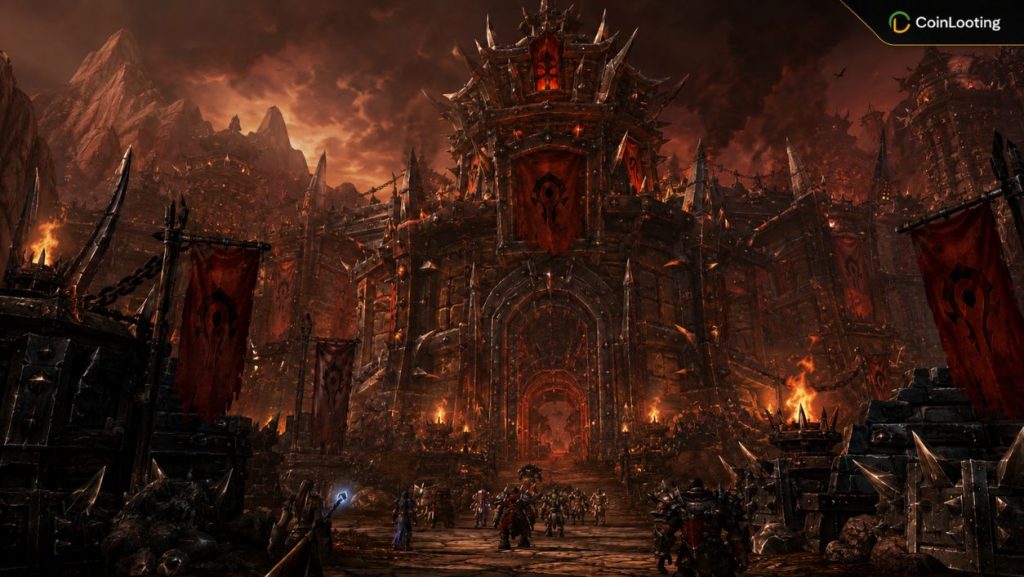
Wowhead’s current overview places the raid in the Vale of Eternal Blossoms, inside the shattered pillar in front of Mogu’shan Palace. That sounds simple, but even small travel friction matters if your group is already trying to line up summons, consumables, repairs, and late arrivals. Clean raid prep includes knowing where the character needs to be before the group starts moving.
Boss Structure and Why Weekly Goals Need to Be Clear
Siege of Orgrimmar has 14 bosses, and Wowhead notes that progression is mostly linear, with only a small routing choice later in the raid. That matters because the instance is long enough to punish vague planning. A player going in for “whatever happens” is much more likely to waste time than a player going in for selected boss value, a cleaner clear, or a controlled progression route.

What Siege of Orgrimmar Changes in MoP Classic
Siege of Orgrimmar changes the rhythm of the whole week. Once a player starts treating it as the main PvE target, everything around the raid matters more: gear quality, role confidence, repairs, consumables, weekly time, alt priorities, and whether the character is chasing a full clear, selected boss kills, or just a stable first route through the tier.
That is why raid prep is rarely only about mechanics. Mechanics matter, but a lot of failed weeks begin much earlier. Players go in with unfinished enchants, weak gold reserves, confused lockouts, underprepared alts, or specs that still feel rusty after returning to the game. Siege exposes those weak points harder than earlier content because the raid is where Phase 5 effort is supposed to turn into real progress.
If you want the first article in this cluster before going deeper into SoO prep, see WoW Pandaria Classic Phase 5 Guide: What to Do First.
Recommended Services
Know What Kind of Character You Are Prepping
The easiest way to waste time before Siege of Orgrimmar is to copy one prep routine for every character. A fresh level 90, a returning main, a geared raider, and an alt with partial catch-up should not be treated the same.
| Character type | Best prep focus | What usually goes wrong |
|---|---|---|
| Fresh level 90 | Catch-up, consumables, role basics | Enters raids too early because level access is confused with real readiness |
| Returning main | Spec reset, weak-slot fixes, lockout discipline | Rust gets ignored until the first pulls go badly |
| Raid-ready main | Weekly goal clarity, consumables, scheduling | Good gear gets wasted by bad planning |
| Alt character | Fast setup, selective goals, realistic time value | Alt is forced into main-character expectations |
Fresh Level 90 Characters
A fresh 90 can see current content, but that does not mean the character is ready to give value inside Siege of Orgrimmar. The biggest mistake here is planning from the raid backward instead of from the character forward.
A better route usually looks like this:
- fix obvious weak slots
- finish the gems and enchants that matter
- stock enough gold for repeated prep
- stabilize your rotation and role
- decide whether this week is about access, practice, or real boss value
If the character is still below active MoP endgame access, Pandaria Classic Level Boost is the more logical first move than pretending raid prep starts before level 90.
Returning Players
Returning players often focus too much on item level and not enough on control. A returning character can look decent on paper and still feel unreliable in a real run. Talents may be wrong, bars may be outdated, the player may remember the class loosely but not sharply, and the first hour of the raid becomes warm-up instead of progress.
If that sounds familiar, your prep needs to include confidence, not just gear. Recheck talents, buttons, cooldown habits, movement comfort, and whether your role still feels natural under pressure.
Raid-Ready Mains
For a main that is already in decent shape, the real work becomes weekly discipline. At that point, Siege prep is less about access and more about efficiency. Your character is already good enough to enter the raid. The question is whether you are entering with the right objective and enough support around that objective.
That means asking:
- Is this week for progression, farm, or selected kills?
- Are consumables already handled?
- Are repairs already paid for?
- Are you trying to force too many goals into one lockout?
- Is this a clean main-character week, or are you splitting focus with alts?
Alt Characters
Alts are where a lot of players quietly burn value. Not every alt deserves the same Siege commitment every week. Some are good for early progress and selective kills. Some are still in catch-up mode. Some look ready but do not justify a full clear if the real goal is just a few useful bosses, practice, or a limited weekly route.
The best alt prep starts with realism. If the alt is still missing too many basics, forcing it through a full weekly plan often creates more friction than progress.
Recommended Services
Gear Readiness Is More Than Item Level
Players love to talk about item level because it is simple, visible, and easy to compare. But Siege of Orgrimmar punishes weak preparation in ways that item level alone does not fix. A stronger character with bad setup is still worse than a slightly weaker character that is fully prepared.
What to Check Before SoO
Before you join or organize a run, check these in order:
- Weak slots – are there still obvious pieces dragging the character down?
- Gems – have you actually finished the slots that matter?
- Enchants – are the missing enchants turning avoidable weaknesses into raid-night problems?
- Consumables – are flasks, food, and backup supplies ready before invite time?
- Repairs – will the character stay functional through a real raid session?
- Spec and talents – are you playing a setup that still makes sense for your role?
- Comfort – does the class feel stable, or will the first pulls be practice?
That last point matters more than players think. A raid-ready main and a raid-ready alt are not automatically equal just because both can queue into current content.
The Right Weekly Goal Changes Everything
One of the biggest reasons Siege prep feels weak is that too many players go in without a clear target. They treat the raid like an open-ended session and then wonder why the week feels messy.
Good weekly goals are usually narrow. They sound like this:
- I want specific boss kills this week.
- I want a smoother clear with less wasted time.
- I want a better run on my main, not a scattered run across three characters.
- I want early alt progress, not a full clear.
- I want one stable weekly route instead of multiple weak attempts.
Bad goals are broad. “Let’s see how far we get” feels harmless, but it often creates poor lockout decisions, late-night improvisation, and raid time that never turns into real value.
Consumables, Repairs, and Gold Pressure Add Up Fast
Phase 5 turns raid prep into a repeating weekly cost. That matters because many players still treat gold as a background issue until the same missing pieces show up again and again right before raid invites.
The usual list is familiar:
- gems
- enchants
- flasks
- food
- repairs
- profession materials
- crafted fills
- Auction House fixes
- alt prep
This is where Pandaria Classic Gold fits the article by meaning. The problem is not abstract greed. The problem is friction. A player who fixes every missing part on raid night is almost always less efficient than the player who handles that pressure earlier in the week.
Why Lockout Discipline Matters So Much in SoO
A Siege of Orgrimmar lockout has more value when you treat it like a resource. The raid sits at the top of the current MoP Classic PvE flow, so wasting a week hurts more than wasting a random dungeon evening.
Lockout discipline is mostly about honesty:
- Does the character deserve a full clear this week?
- Is the real goal one or two specific bosses?
- Are you mixing farm expectations with progression expectations?
- Is this a main-character week or an alt week?
- Are you entering with enough time and focus to finish what you start?
The more clearly you answer those questions, the less random the raid feels.
Timeless Isle Still Matters Before Siege
Even though this article is about SoO prep, Timeless Isle still matters for a lot of characters. Fresh 90s, alts, and returning players often need a bridge between “I can enter current content” and “I can add value in current content.” Timeless Isle is one of the cleanest ways to narrow that gap without making your whole week depend on group availability.
If the character still feels half-finished, use Timeless Isle to remove the most obvious weaknesses first. Raid prep becomes much more useful when the character no longer feels incomplete at the base level.
Role Confidence Is a Real Part of Raid Prep
Many players underprepare because they think raid readiness is all on the gear side. In Siege of Orgrimmar, role confidence matters just as much.
If you are tanking on a character that has not seen real pressure in weeks, healing on a spec that still feels awkward, or playing DPS on an alt where your cooldown rhythm is off, you are entering the raid with a weakness that gear cannot hide for long.
This is where solo practice, target dummy work, or smaller content before raid night can make the actual lockout cleaner. The point is not perfection. The point is to avoid turning the first quarter of the raid into your warm-up session.
When an Organized Run Makes More Sense Than Random Groups
Sometimes the character is ready, but the weekly environment is not. This is where many players misread the situation. They keep trying to solve a group problem with more personal prep.
If your setup is already clean and the issue is that random groups waste time, fail to stabilize, or turn one clear goal into a long, low-value evening, then the next step is not necessarily more preparation. The next step may be a more structured route through the raid.
That is where a service option fits naturally in the article. If your character is prepared and the real bottleneck is clean execution rather than raw access, then a more organized run makes more sense than another week of unstable group search.
Common Siege of Orgrimmar Prep Mistakes
Entering With “Almost Ready” Setup
Almost ready gear, almost finished enchants, almost enough consumables, almost enough gold – that is how players quietly sabotage their own lockout.
Using Raid Night to Relearn the Class
If the first pulls are also your first serious attempts to remember the spec, the raid is already doing two jobs at once.
Treating Mains and Alts the Same
Not every alt deserves the same weekly effort as a main. Be selective.
Planning Too Late
If every weekly issue gets solved ten minutes before invites, the session begins in a weaker state than it should.
Chasing Too Much in One Lockout
A full clear, specific boss kills, alt progress, cloak progress, and gear recovery do not always belong in the same evening.
Recommended Services
Short Answers Before Raid Night
Final Take
Siege of Orgrimmar prep is not about making the week complicated. It is about removing the obvious reasons a run goes badly before the raid even starts. Once the tier becomes part of your weekly routine, the real prep is bigger than one repair bill or one enchant. It becomes a combination of character honesty, clear goals, stable gold support, role confidence, and smarter lockout choices.
The better your preparation, the less Siege of Orgrimmar feels like random friction and the more it feels like real weekly progression.